Short summary presented at the State’s May Water Supply Meeting about the following:
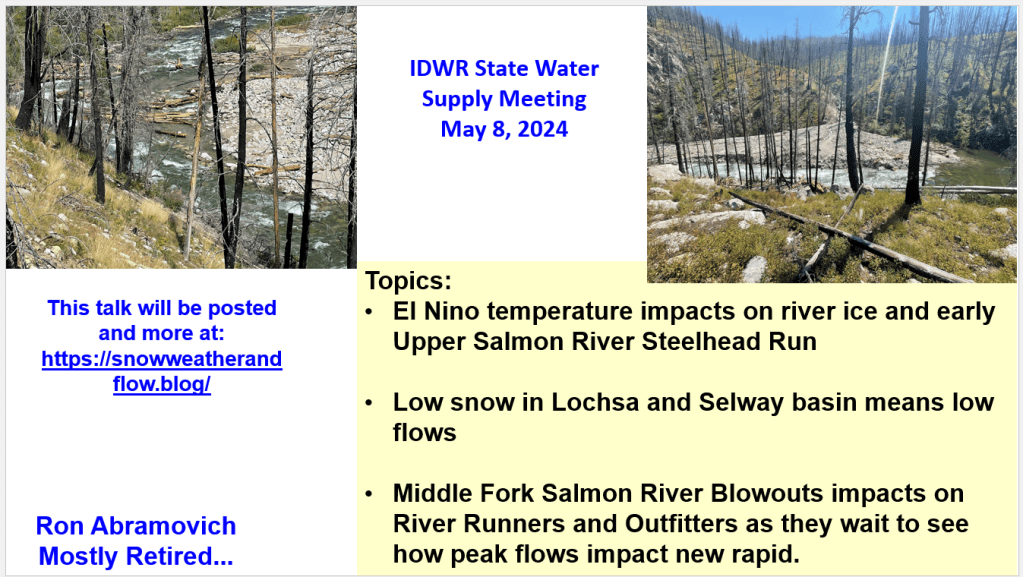
Short summary presented at the State’s May Water Supply Meeting about the following:
May 7 Snow2Flow update – with return of warm weather, rivers will rise again to generate another peak from remaining snow with temps pushing 80s F in Boise. Air temps and duration of warm spell will determine how fast the snow melts, how high the rivers rise and when the snow runs out that feeds the rives. Enjoy and be safe!
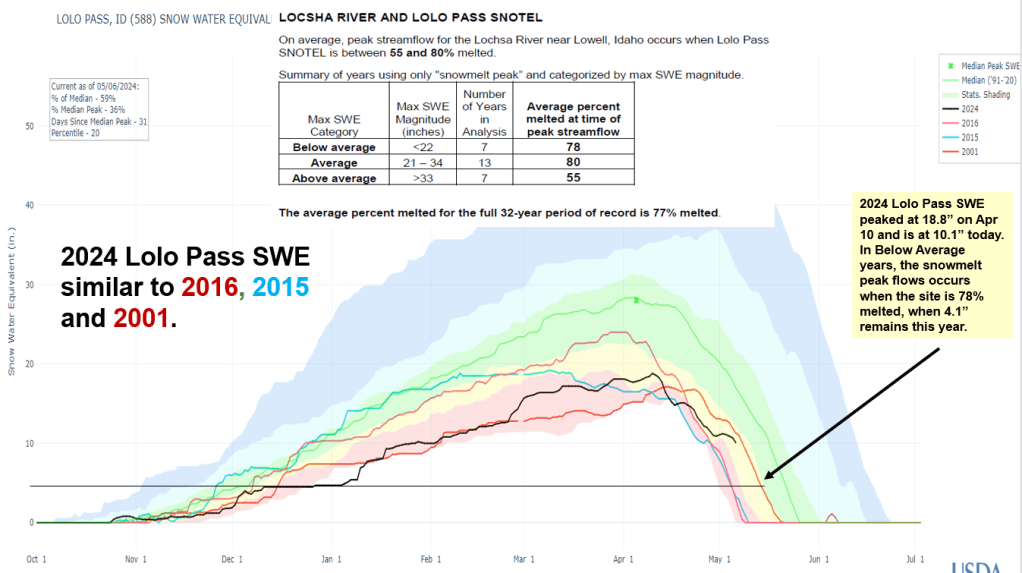

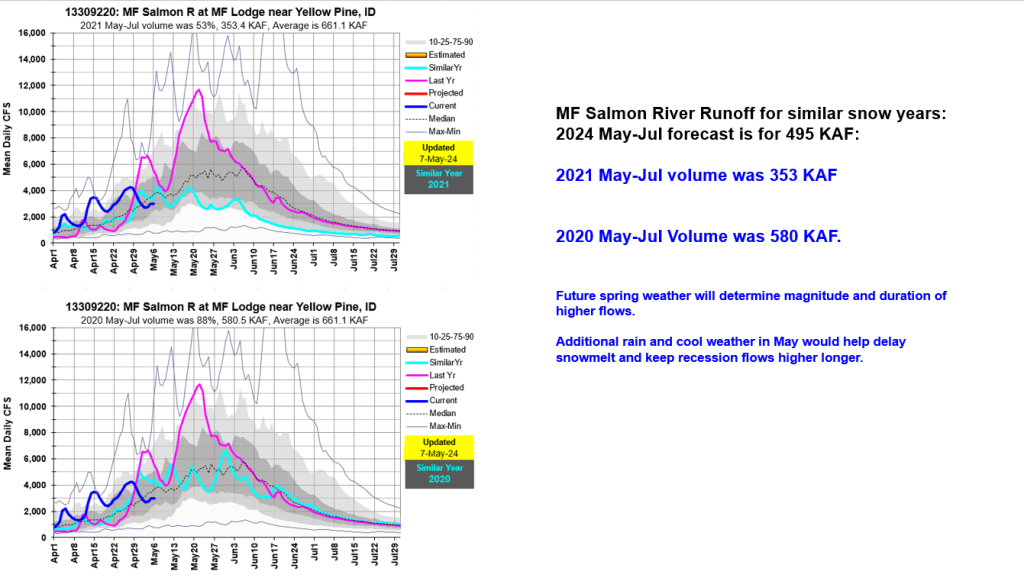
Low snow means low flows in these basins. Hopefully more weather moves in during the month of May
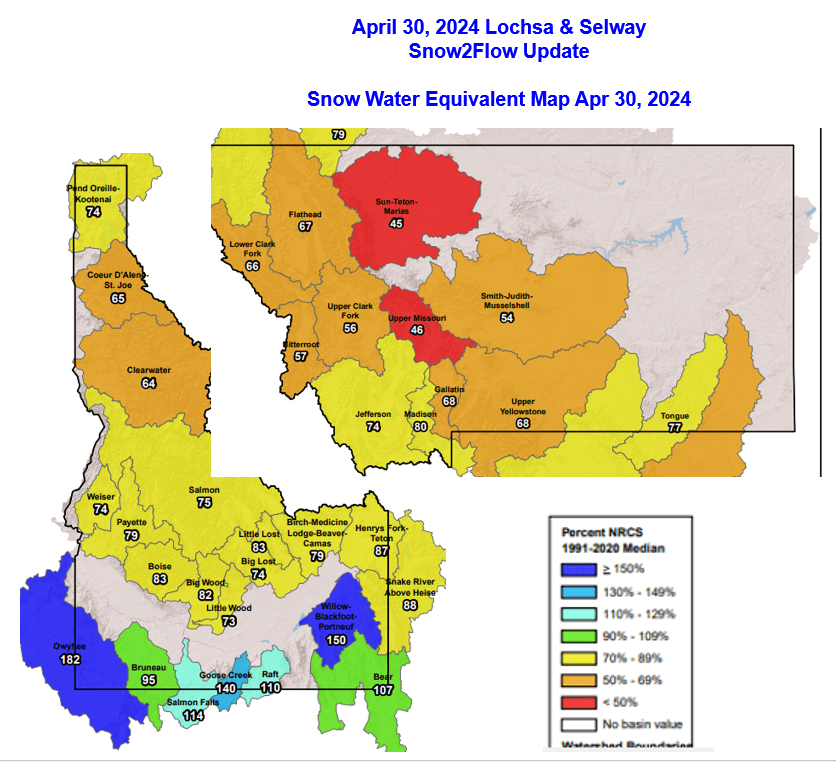

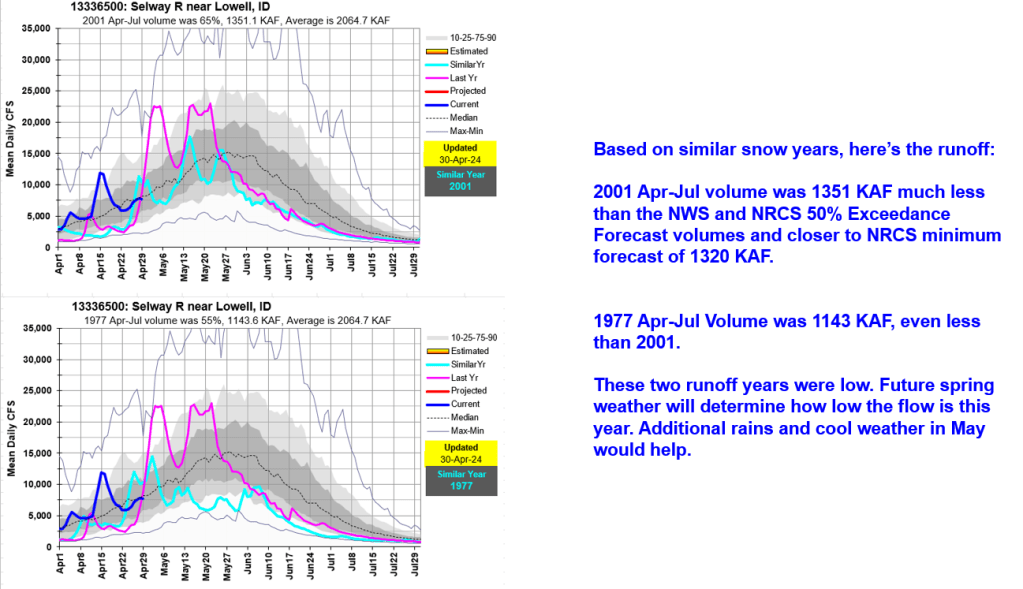
Here’s an update looking at remaining snow, snowmelt, volume forecasts and similar runoff years. We’ll see a decrease in melt and flows with cooler front moving in, but melt and flows are projected to rebound later this week with return to high pressure, that will hopefully move on sooner than later…

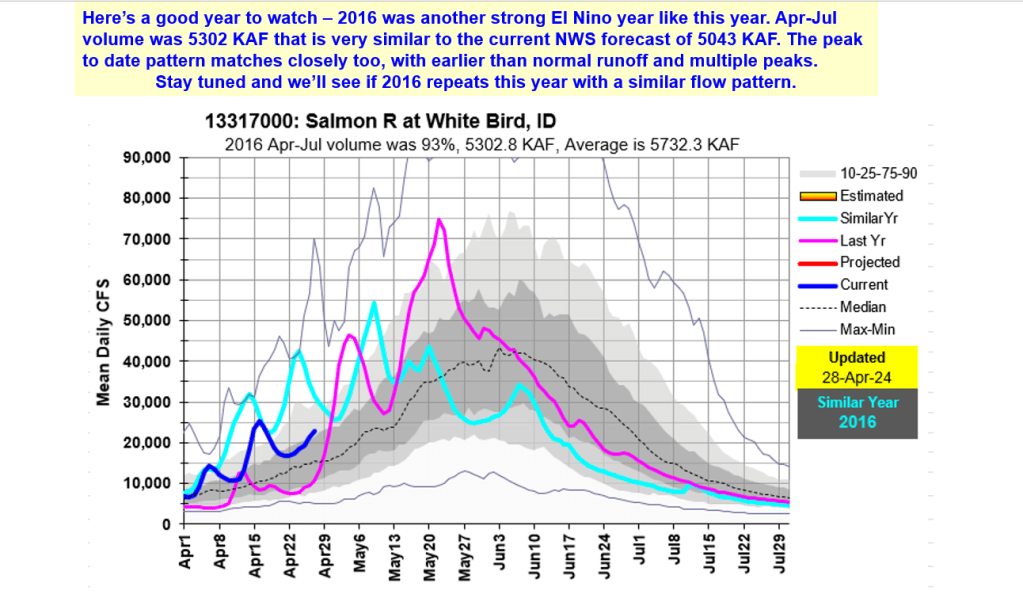
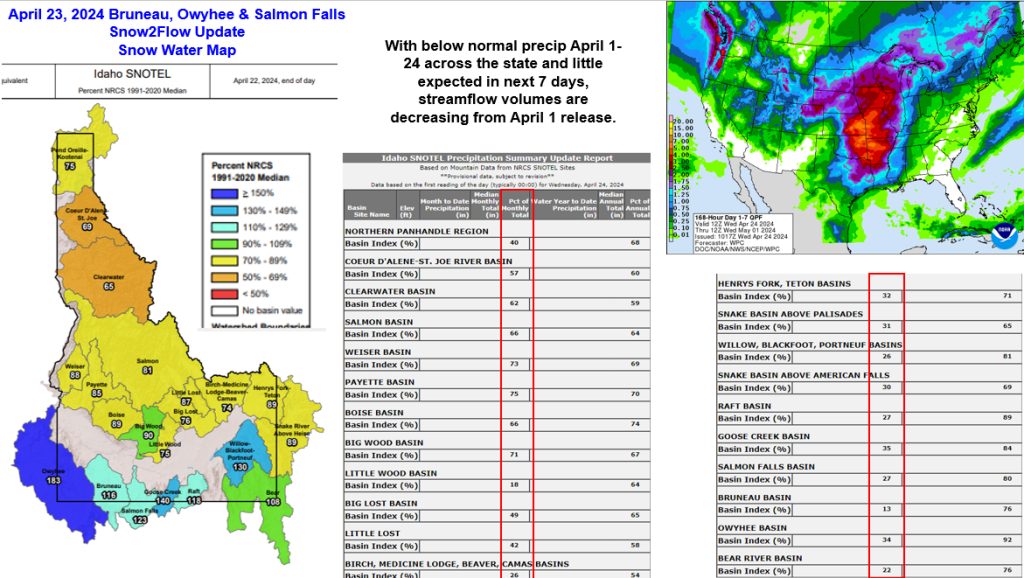
With below normal precipitation April 1-24 across the state and little expected in next 7 days, streamflow volumes are decreasing from April 1 release. The Owyhee River has peaked from snowmelt and remaining snow will help sustain flows. Remaining snow in Bruneau and Salmon Falls basins will produce another another flow increase. Future snowmelt rates and weather will determine if next flow increase exceeds the previous peaks already seen.
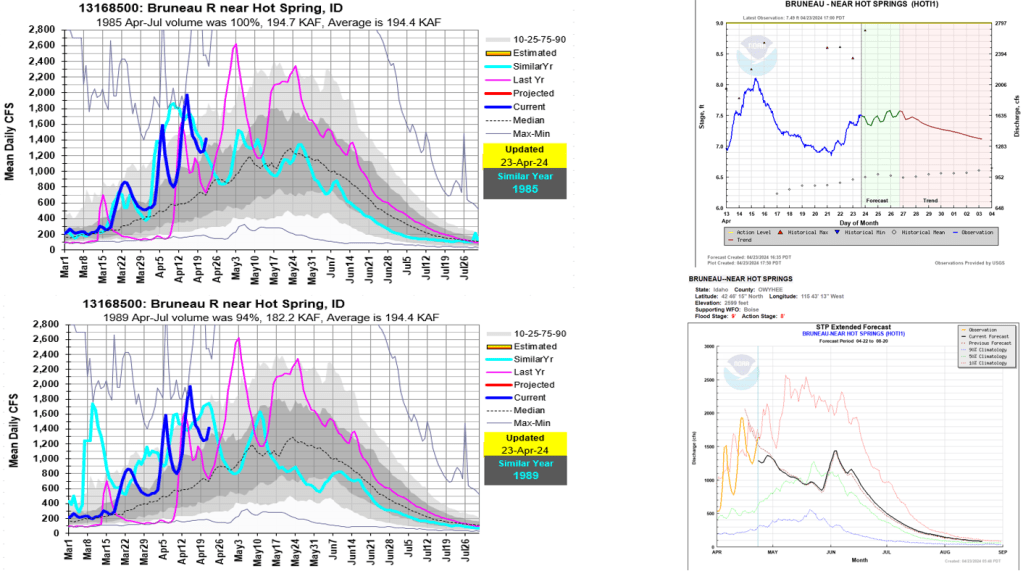

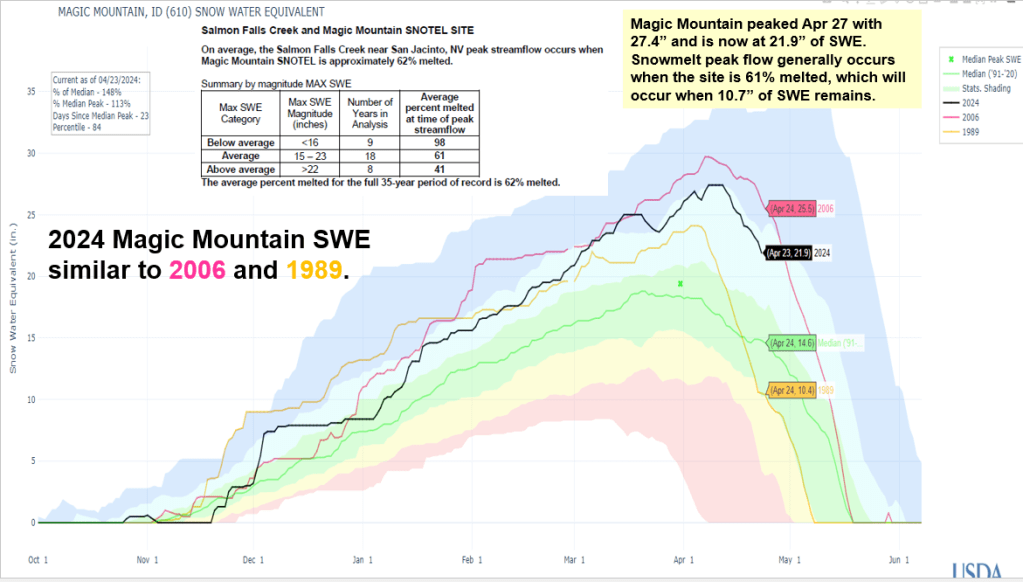
Remaining snow will help to sustain flows… how long – here are a few similar runoff volumes and recession years. With little weather on the horizon, current snow melt from warm days and freezing nights is ideal.
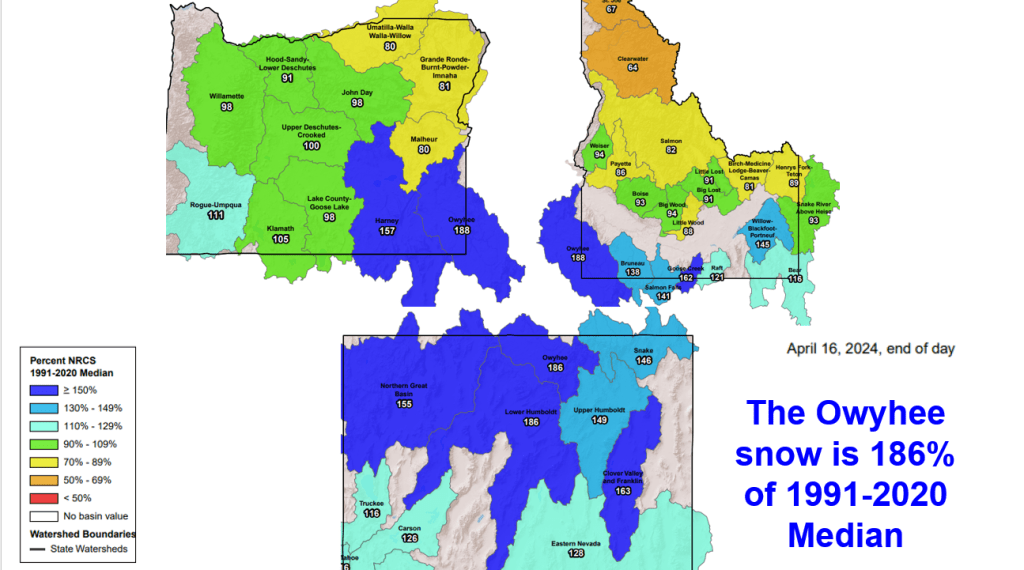
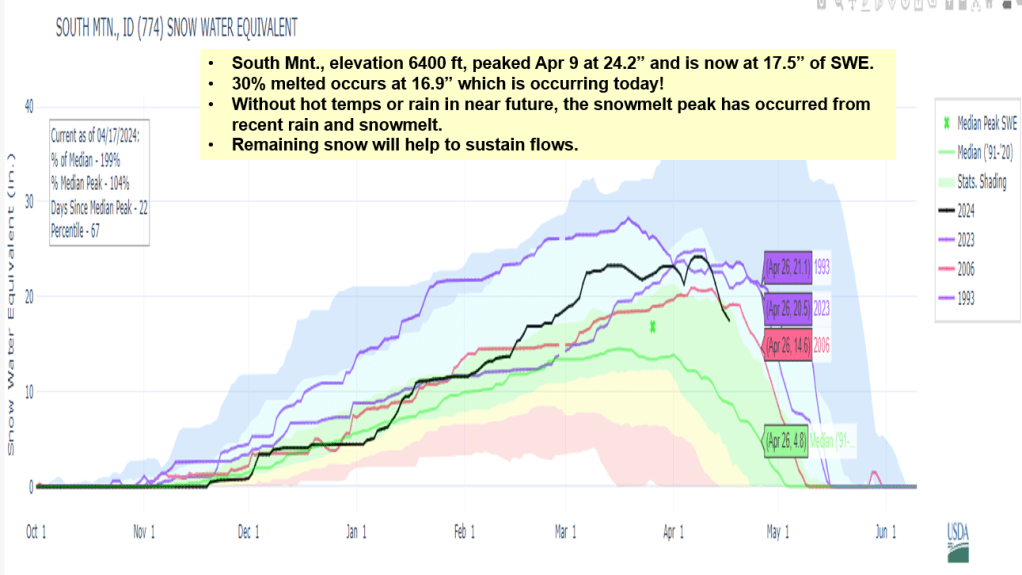
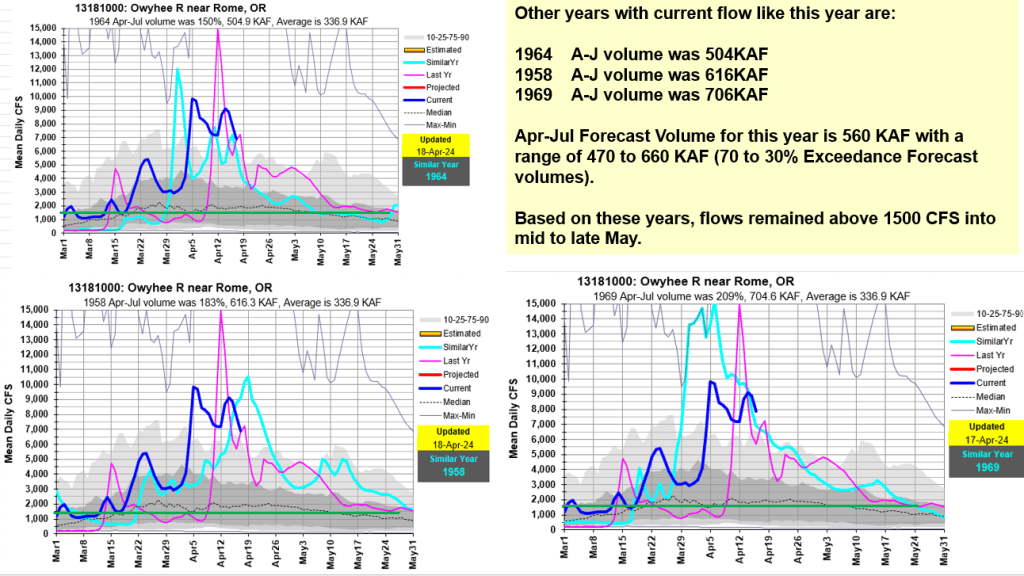
Current snow & water supply summary across the state with more details for Upper Snake, Boise and Payette basins.
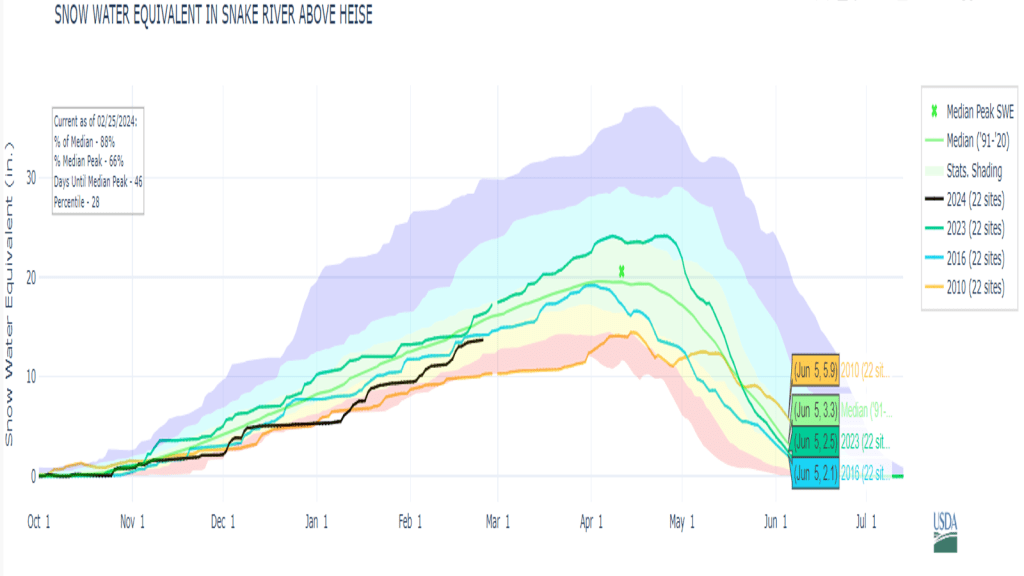
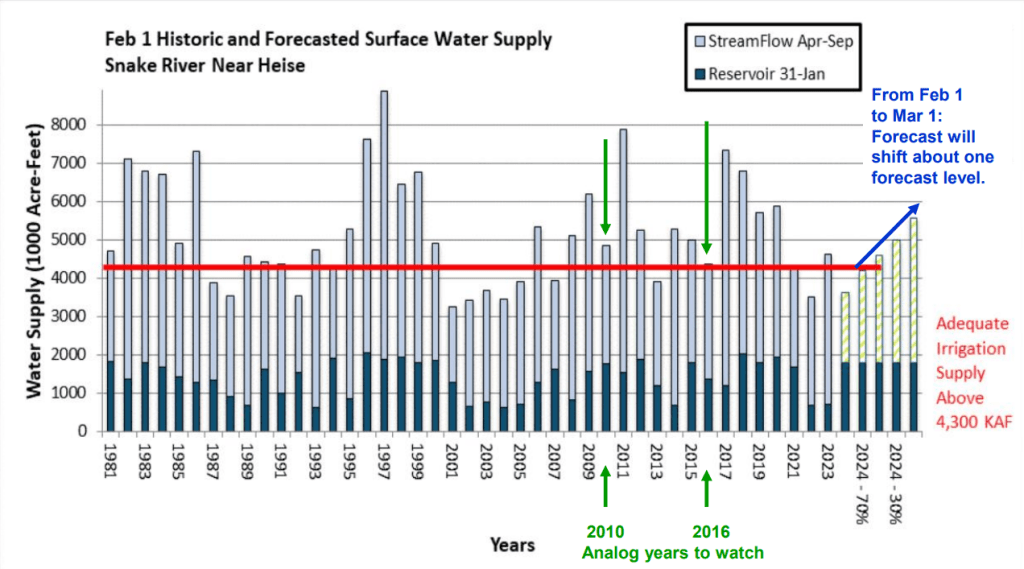
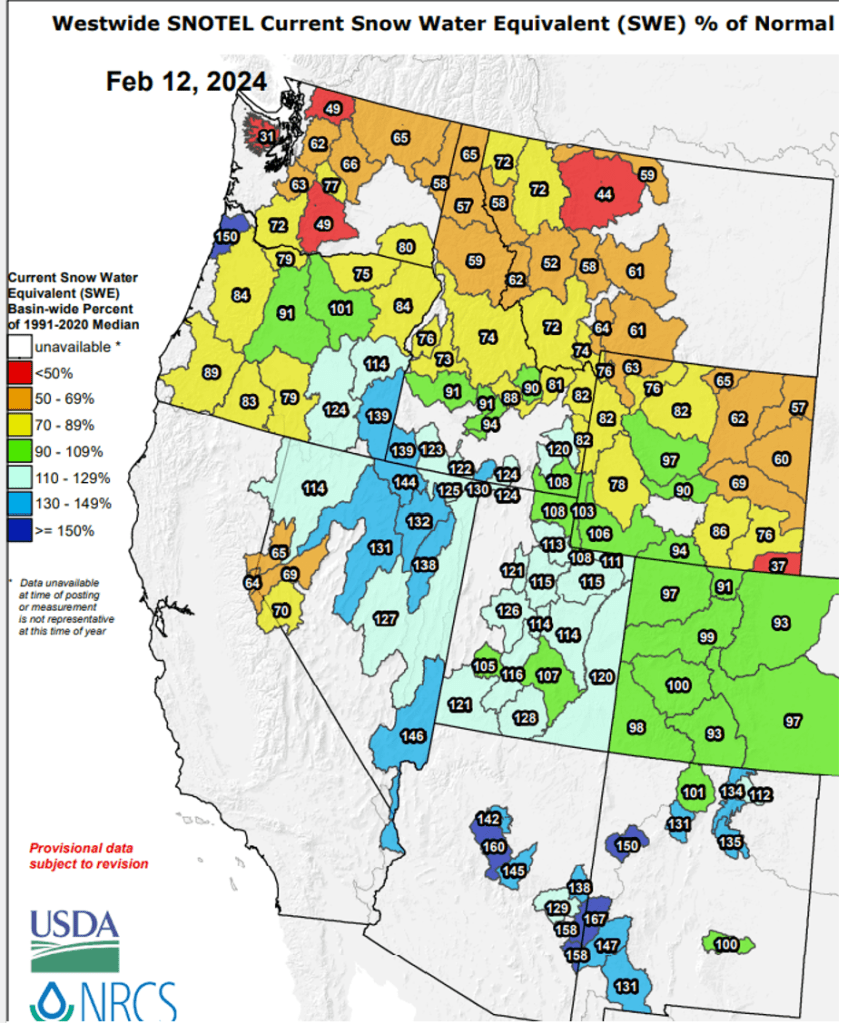
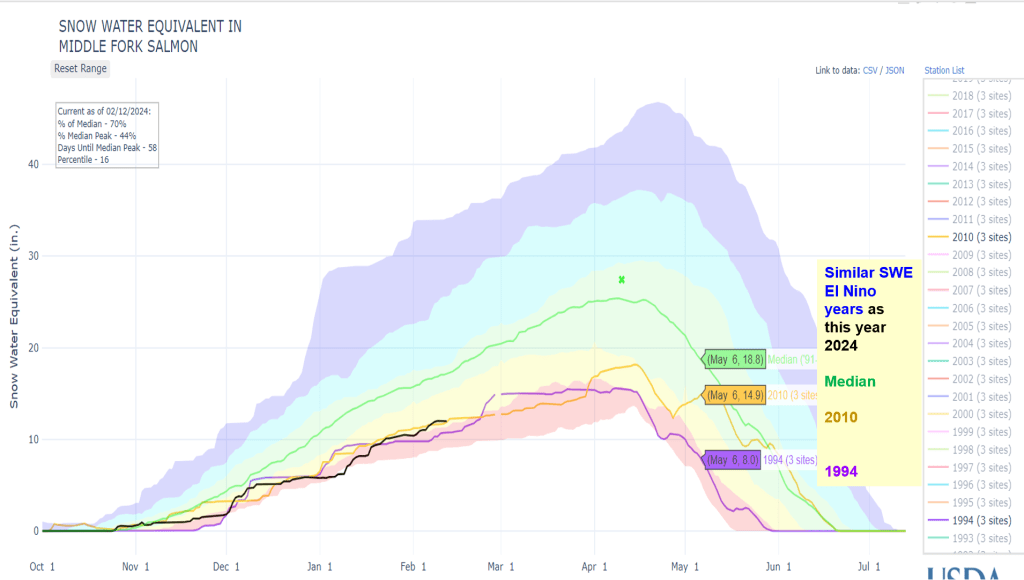
Why they send river rejection emails out on Valentine’s Day, I’ll never know but got my rejectionS. For those wondering about the snow, here’s an update that show snow changes from Jan to Feb, chance for the pack to recover and SWE graphs of analog snow years for the lucky ones that won !